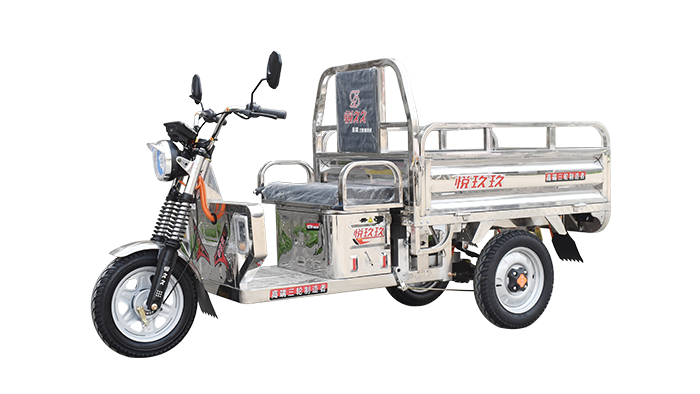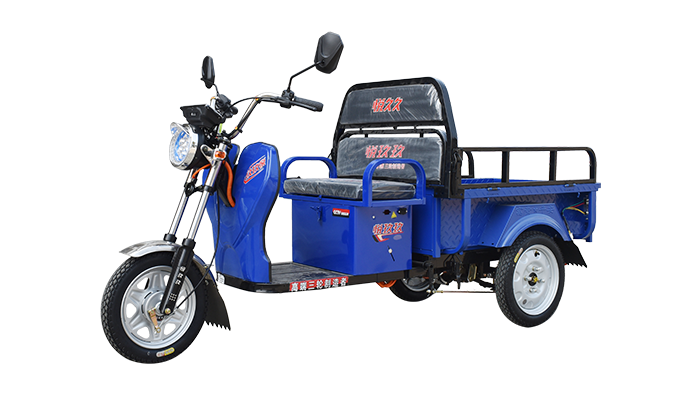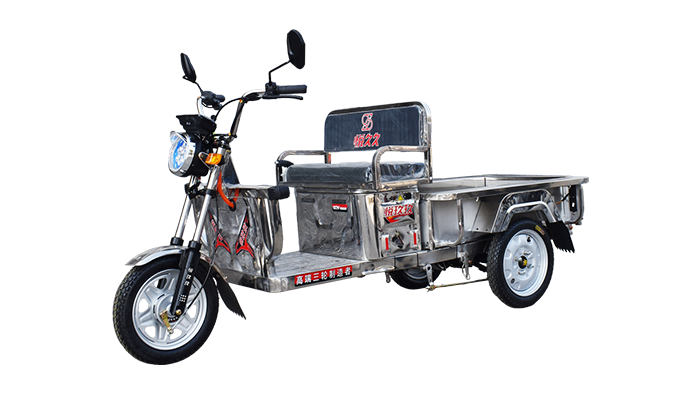
Stainless Steel TricyclesInventor


+86 133 9251 2305
+86 133 9251 2305
Hot search keywords: Sanitation Tricyclesmanufacturer Stainless Steel Tricycles Custom Stainless Steel TricyclesPrice
"Wear resistance" is one of the core qualities users look for in an electric tricycle, and Yuejiujiu believes the durability advantage of Stainless Steel Electric Tricycles is especially clear. That advantage is not created by any single factor—it is the combined result of material properties, structural design and component matching, which together deliver more consistent performance under abrasion, corrosion and load.
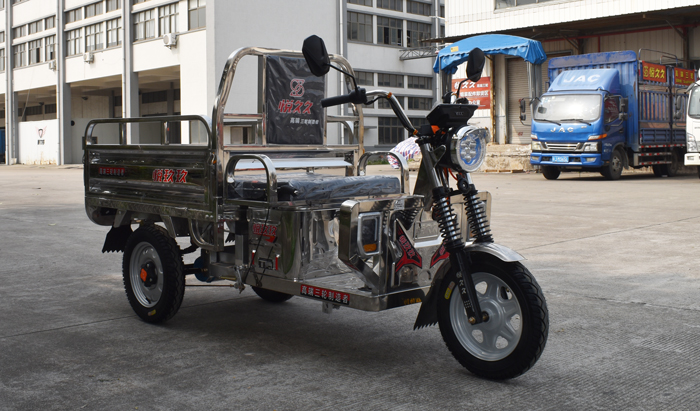
The Corrosion Resistance of the Core Material Is the Foundation of Wear Resistance
Ordinary electric tricycles are mostly built from cold-rolled steel plate. The cost is low, but the material is vulnerable to rain, moisture and contact with acids and alkalis; rust can appear within as little as six months, and long-term use weakens the frame. The 304 or 201 stainless steel used in our tricycles contains no less than 12% chromium, forming a dense chromium-oxide film on the surface that blocks water and oxygen from reaching the base metal. Even in the rainy south, or for vendors who regularly handle detergents, corrosion is effectively slowed and frame life is typically two to three times that of an ordinary model.
Frame Structure and Strength Design Further Reinforce Durability
Ordinary frames are usually welded from single-layer sheet steel with fairly rough workmanship, so under frequent loading or on bumpy roads they are prone to cracked welds and frame deformation. Stainless steel models generally use thicker plate: at least 1.2 mm for household models and 1.5 mm or more for commercial models, with reinforcing ribs added at key load-bearing points on some versions. Stainless steel also requires precision processes such as argon arc welding; once the welds are polished they not only look better but also eliminate the risk of incomplete or missed welds, keeping the structure stable even when tested at 1.2 times the rated load.
Component Matching Reduces the Chance of Wear
To control costs, ordinary models are often fitted with generic motors, brakes and other parts of only average suitability, which wear excessively under heavy use. Because stainless steel models are positioned for durability, their motors are usually sealed brushless DC units that keep out dust and moisture, and the braking system is matched to the load requirement—disc brakes or reinforced drum brakes with brake pads of a higher wear coefficient. In addition, the stainless steel body resists impact better: minor collisions are unlikely to leave dents or deformation, reducing the need for cosmetic and structural repairs.
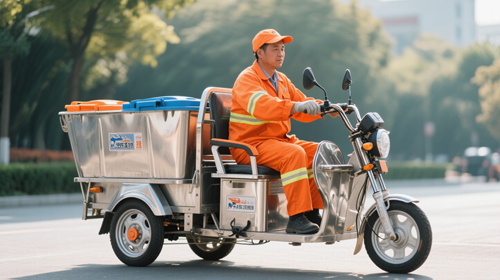
Product:1.5mAll-steelStainless SteelSanitation TricycleApplication:CitySanitationCleaningBack Streets of Yangchun County, Yangjiang, Guangdong... 【Details+】
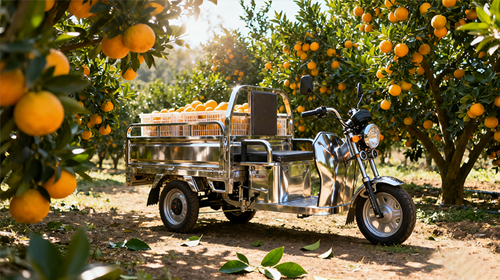
Product:1.8mLoad Capacity KingStainless Steel Electric TricyclesApplication:FruitTransportationDatangbu, Xinfeng County, Ganzhou, Jiangxi... 【Details+】
 0750-6333776+86 133 9251 2305
All Rights Reserved © 2025 Jiangmen Jiuxin New Energy Technology Co., Ltd.Record No..:粤ICP备2025465897号 Sitemap

 WeChat Official Account
 Follow Douyin
 Follow Kuaishou
 Follow WeChat Channels
 Follow Xiaohongshu